
A Hateful Decision
A review of the book on Mers-el-Kébir by Edward Abel Smith

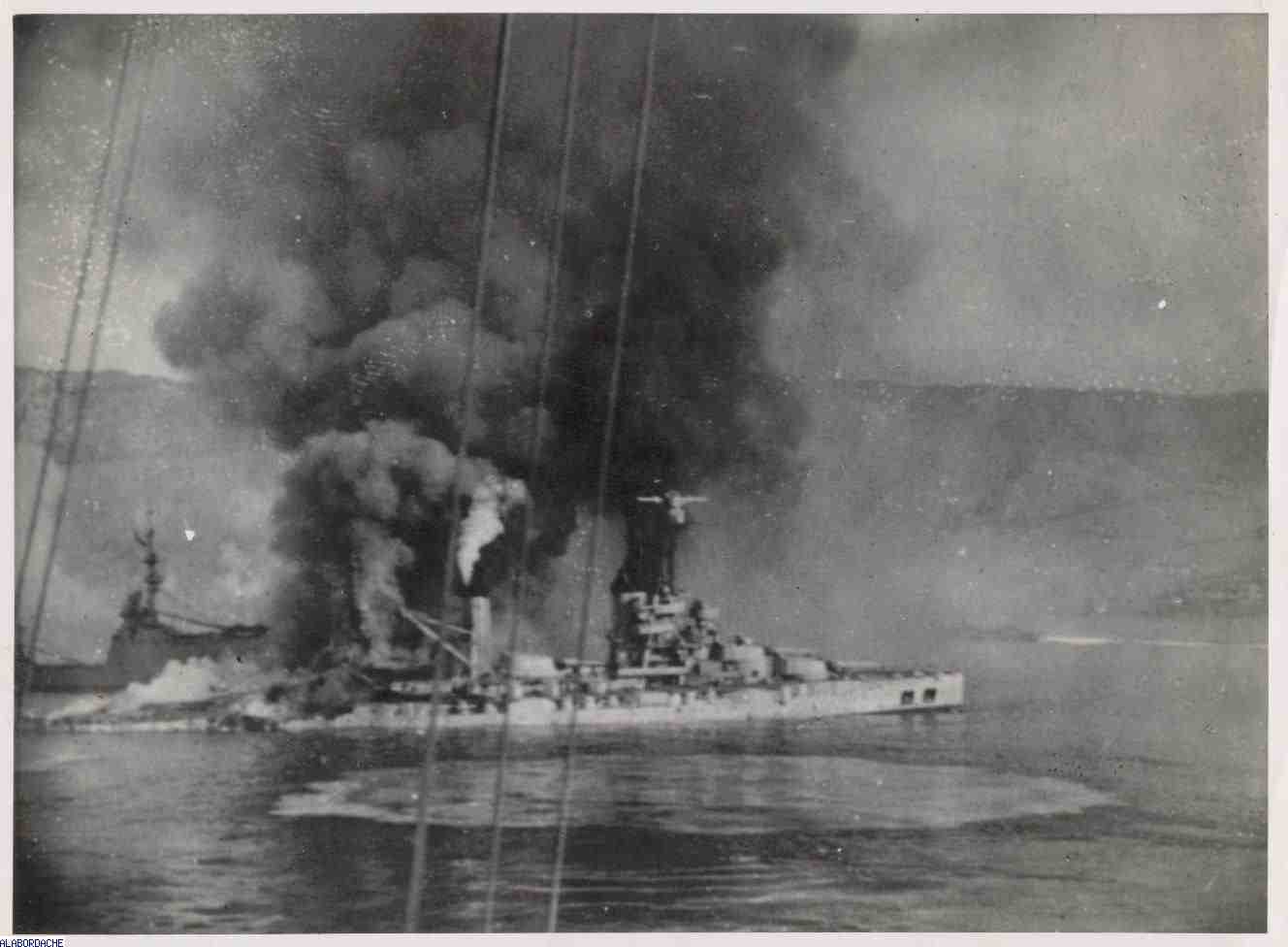
The most bitter kind of hatred is familial. Indeed, in the UK about 40 percent of homicides are carried out by family members or close acquaintances of the victim. Friends fall out for many reasons, but the blitzkrieg through France in May 1940 and the rapid dismantling thereafter not merely of the French Army but of its military partnership with the UK resulted in a profound falling out between one-time friends and allies. Winston Churchill could see the danger of this rift when, on 16 June 1940, he offered a federal union of the sovereign nations of France and the UK. It was an extraordinary gesture, possibly unmatched in history. He could see that one of the results of a German victory would be the setting of brother against brother, but even he could never have seen what would happen after the armistice and the accession as puppet premier of Marshal Petain. The bitterness and humiliation felt across France not merely because of their defeat, but because they felt they had been let down by Britain, was sustained, and visceral. For many in France, desperate to find an answer to the cataclysm that had engulfed them, blame was apportioned not to the strategic incompetence of their own generals and the naiveite of their pre-war politicians, but at their erstwhile friends. Indeed, the speed with which Britain had apparently deserted France in her hour of need was much pondered. Had not Churchill refused to send the entire RAF fleet to support the Battle of France? Were not the affairs in Norway and the evacuation from Dunkirk a demonstration of the fullest extent of British military incompetence? So, when the Royal Navy opened fire on the French Fleet anchored at Mers-el-Kébir on 3 July 1940 to prevent it falling into German hands, but killing 1,297 French sailors in the process, anti-British sentiment built quickly on a much older hatred of perfidious Albion.
Edward Abel Smith tells that remarkable story, in a fresh and helpful way, taking us through these fratricidal events by means of participant’s dialogue. The device works well. The story of Mers-el-Kébir has been told before, most notably in Colin Smith’s excellent Britain’s Last War Against France (2010), but never in so much forensic, personal, detail. And its in this detail that the real story emerges, for without the rank incompetence of a raft of French naval commanders (Darlan and Gensoul), the horror that unfolded that day could have been avoided. The British failed to fully comprehend French sensibilities in the swirling humiliation of defeat, but nor too could the French understand the utter necessity for the British of keeping these vessels out of German hands. It was in the collision of mutual incomprehension that Operation Catapult pulverised the might of the French Navy at rest in its harbour and in so doing blew apart any residual hope that Vichy France would be more than a Nazi lap dog for the remainder of the war.
This is a fascinating and strongly recommended read, mixing high strategy with the drama of personal decision-making, French and British, in the days when the French Navy was all that remained of French martial honour, and yet quite possibly presented, if it fell into German hands, the one thing that could force Britain into Nazi slavery. As Professor Robin Prior makes clear in his superlative account of 1940, the year ‘When Britain Saved the West’ (not bettered by any other single volume on the subject of 1940 in my view), the ‘scene played out at Mers-el-Kébir was a tragedy, but with the world to play for it was hardly extravagant.’ Quite. What decision would you have made? The answer will demonstrate the extent of your appreciation of strategy, history and destiny.
The Free World owes the British people a huge debt of gratitude for what they accomplished when they stood alone in 1940-41. Personally, I think the French left Churchill with no other choice.
Here's a great watch about this event:
https://www.youtube.com/watch?v=Nyku1lSRiFU